
Recycling ≠ Circularity: Dismantling the “Circular” Myth, Moving Towards True Value Closed-Loop
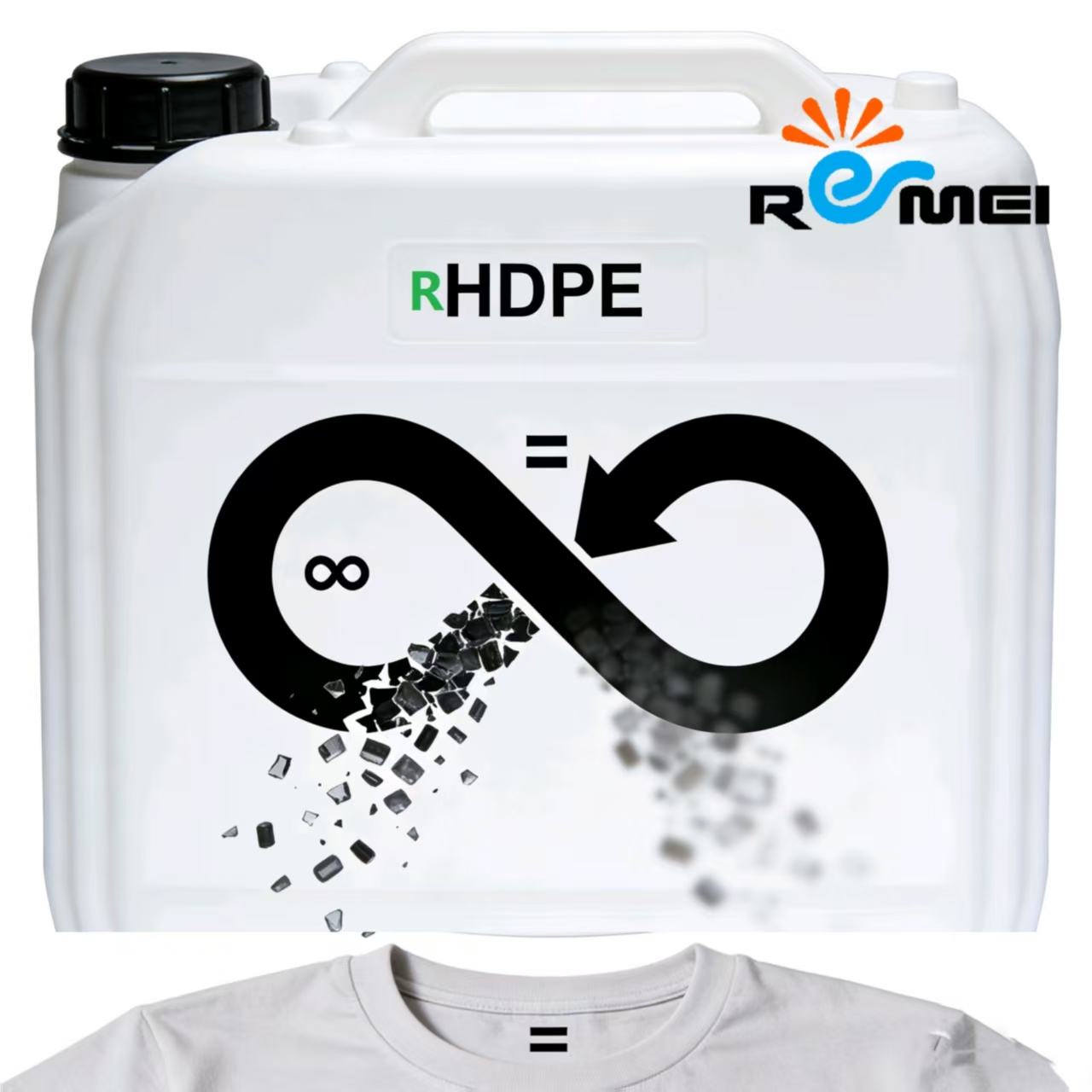
The circular economy is becoming a key focus for both businesses and consumers, but does “recycling” truly equal “circularity”? We believe real sustainability is not about where a material ends up, but whether it can be designed into a system where it is never downgraded, enabling the continuous closing of value loops.
Recycling ≠ Circularity
Not all recycling delivers the same environmental benefit. True value is created only when materials circulate continuously along their highest-value pathways.
We are not pursuing “downcycling,” but rather “closed-loop value.” True sustainability means designing systems where materials consistently maintain their optimal performance and purpose.
Industry Myth: The “Value Leakage” of HDPE Downcycling
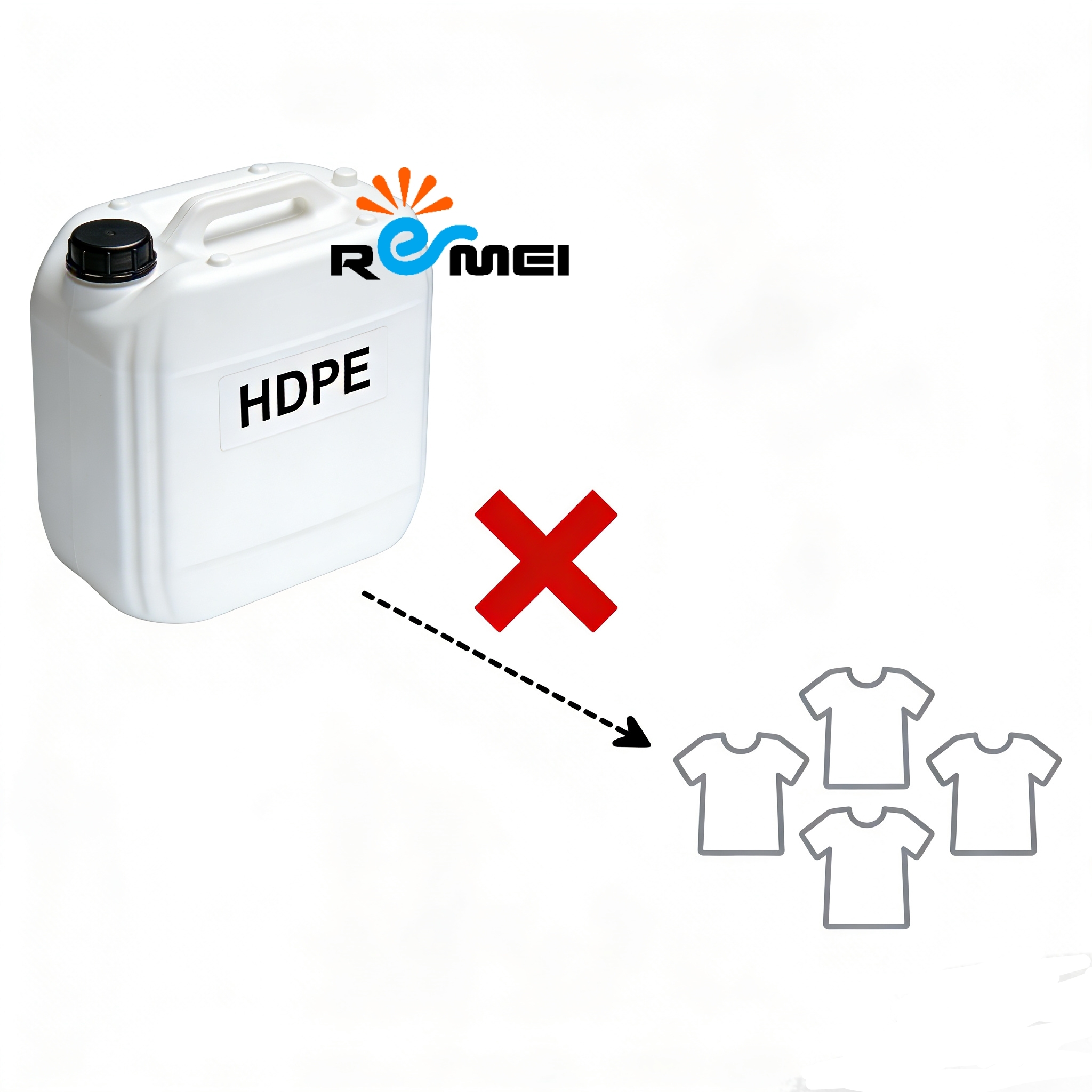
Take the ubiquitous HDPE plastic bottle as an example. When recycled into clothing, park benches, or fiber fill, it is often celebrated as an environmental win. In materials science, however, this process is termed “downcycling.”
The critical issue is this: once HDPE leaves the food-grade packaging stream, its material properties are almost always compromised for packaging reuse. Every bottle converted into textile fiber represents a permanent loss from the bottle-to-bottle closed loop.
This does not truly solve the plastic challenge—it merely shifts it to another domain.
The Remei Answer: Focusing on “Bottle-to-Bottle” Closed-Loop Technology
If downcycling is not the ultimate solution, then what is?
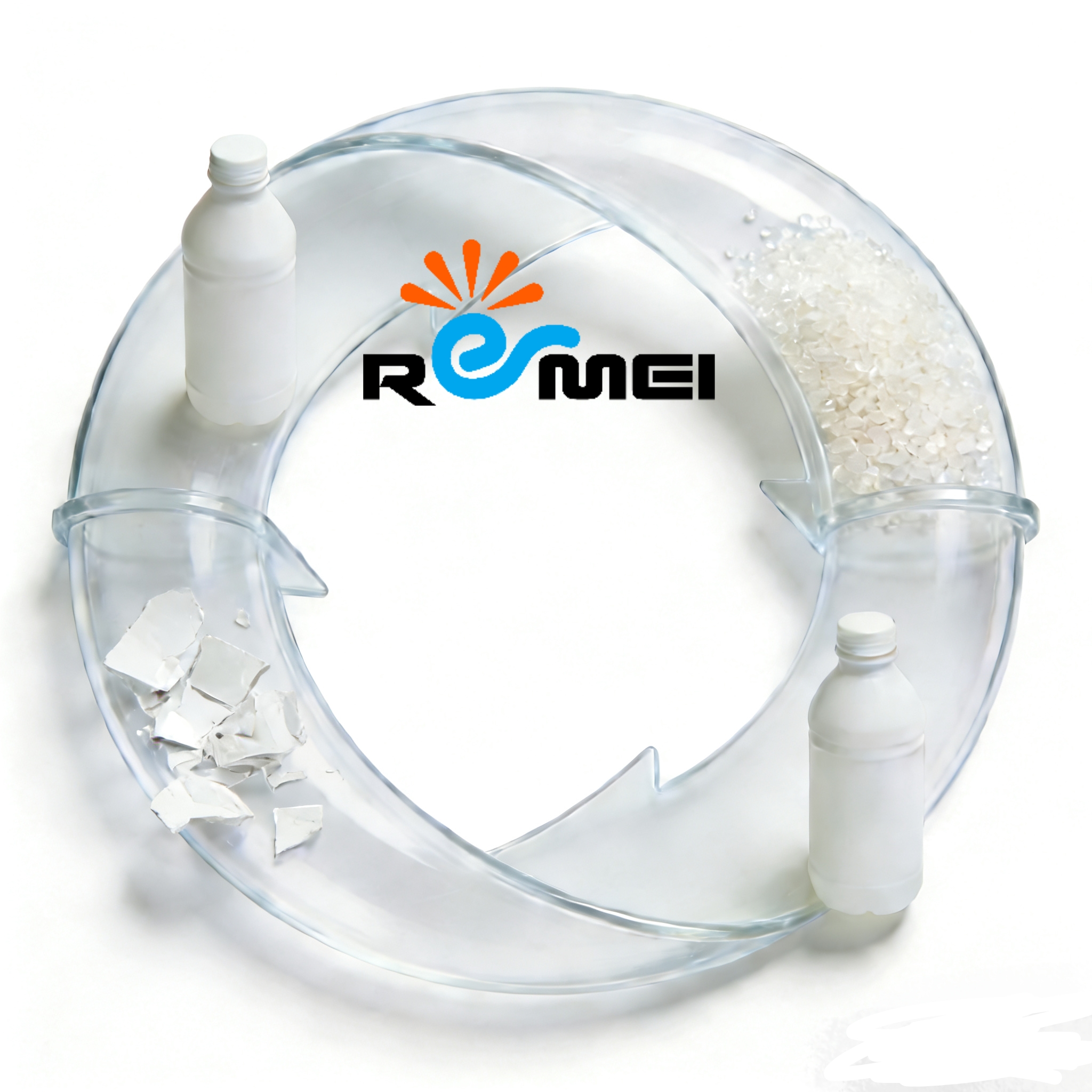
We choose to focus on the most challenging yet essential path: enabling HDPE to return safely and completely “back into bottles.”
Through innovative purification and polymer restoration technologies, we ensure that post-consumer HDPE can meet food-grade standards again, achieving true bottle-to-bottle closed-loop recycling. This not only significantly reduces reliance on virgin plastic but also multiplies the material’s value and lifecycle.
Technology should not just extend the chain—it should close the loop.
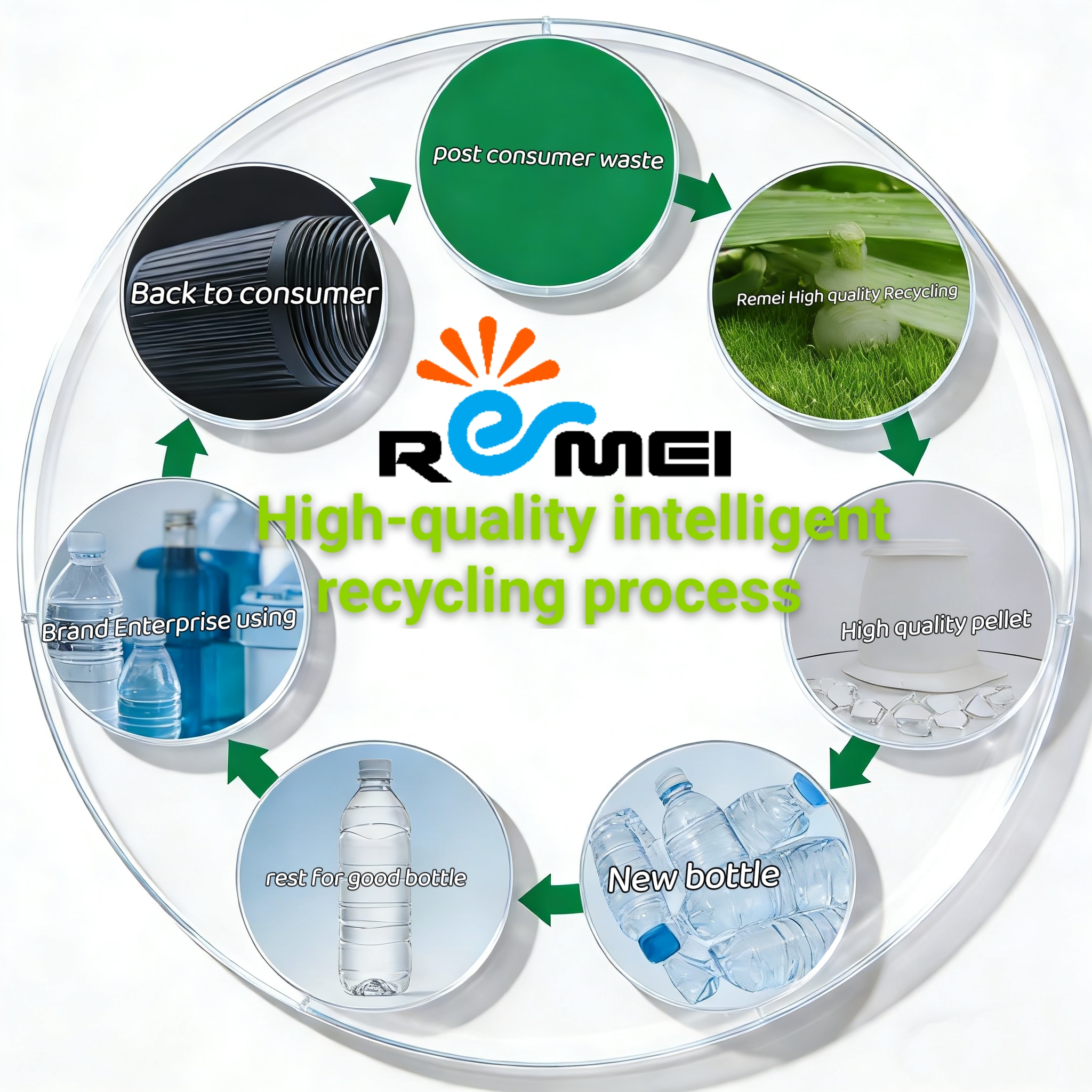
The Essence of Sustainability: Designing Systems That Don’t Shift Problems
The essence of sustainability lies in designing systems that are self-sufficient and can operate long-term, rather than pushing problems from one domain to another. The true potential of the circular economy is enabling materials to always serve their most environmentally beneficial purpose.
For businesses, this means considering the end-of-life pathway of materials from the very beginning of product design. For us, it means delivering a reliable closed-loop solution that turns sustainability commitments into reality.
Inviting Collaborators: Building a Truly Circular Future Together
Achieving true circularity cannot be realized through isolated efforts. It requires synchronized progress across policy guidance, technological innovation, business models, and consumer awareness.
We are working with partners across the entire value chain—from packaging designers and brands to recovery networks and every consumer.
Key questions we must answer together include:
How do we design for circularity from the very beginning?
How do we make recycled materials the preferred choice?
How do we ensure circularity is economically sustainable?
We believe the answer lies in collaboration. We look forward to working with you to make circularity truly circular.
Remei Polymer · Focused on Closed-Loop Material Technology
Let regeneration create a better life!

Leave a reply