
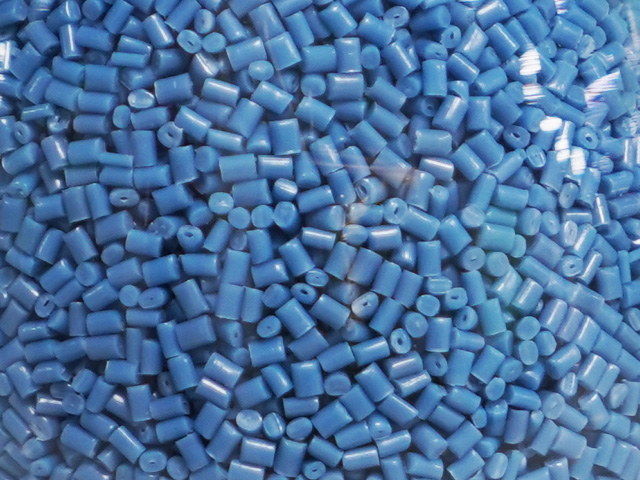
Embracing the Circular Era: How REMEI Uses Regulations as Wings to Reshape the rHDPE Value Chain for Shared Success
The European Union’s Circular Economy Action Plan (CEAP) is redefining the global standards of sustainability. It is more than just a set of environmental regulations—it represents a systemic transformation spanning product design, material circulation, and supply chain collaboration. For key recycled materials such as rHDPE (Recycled High-Density Polyethylene), regulations are not only a challenge but also a strategic opportunity to reshape industry value and build long-term competitiveness.
As a company dedicated to rHDPE R&D and production,Remei Polymer has always been at the forefront of circular economy practices. We do not just respond to regulations—we proactively integrate them into our corporate DNA. From certification leadership and policy synergy to supply chain empowerment, we build stable, reliable, and sustainable recycled material solutions, working with global partners to create a greener future.
1. Certification Leadership: Building a Foundation of Trust with Global Compliance
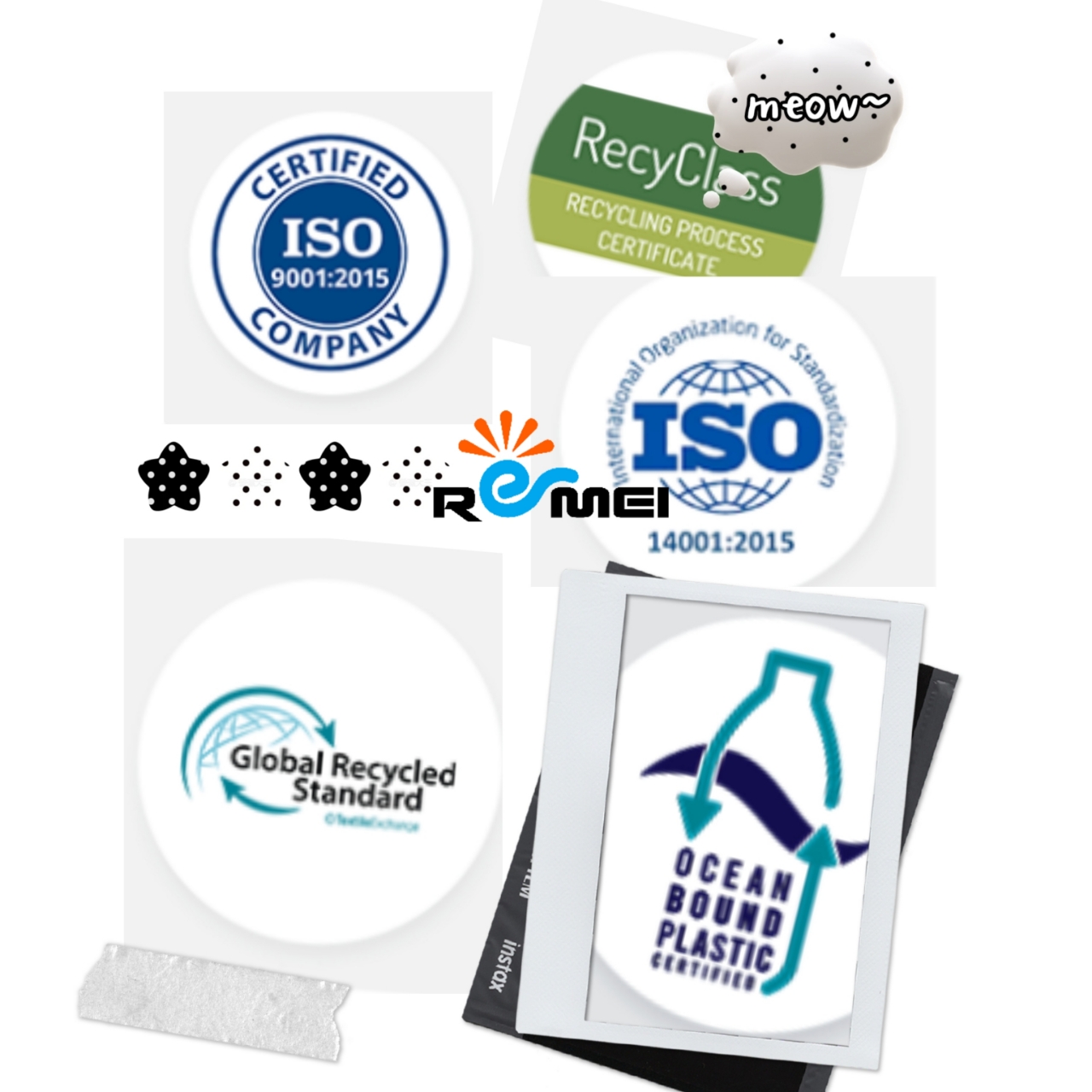
The EU’s circular economy framework imposes stringent requirements for material traceability, carbon footprint, and recycled content. REMEI Polymer leads the way by obtaining and continuously updating certifications including:
- International recycling system certifications (e.g., GRS, OBP, RCS), ensuring reliable material sources and transparent supply chain processes;
- Product carbon footprint accounting and certification, aligning with the EU’s potential Carbon Border Adjustment Mechanism and customers’ emission reduction goals;
- EU-compliant food-contact and high-grade application certifications, expanding the use of rHDPE in high-value scenarios.
We view certifications as a “global green passport,” helping our partners seamlessly access the EU and other high-standard markets, reduce compliance risks, and enhance brand credibility.
2. Policy Synergy: Turning Regulatory Pressure into Supply Chain Resilience
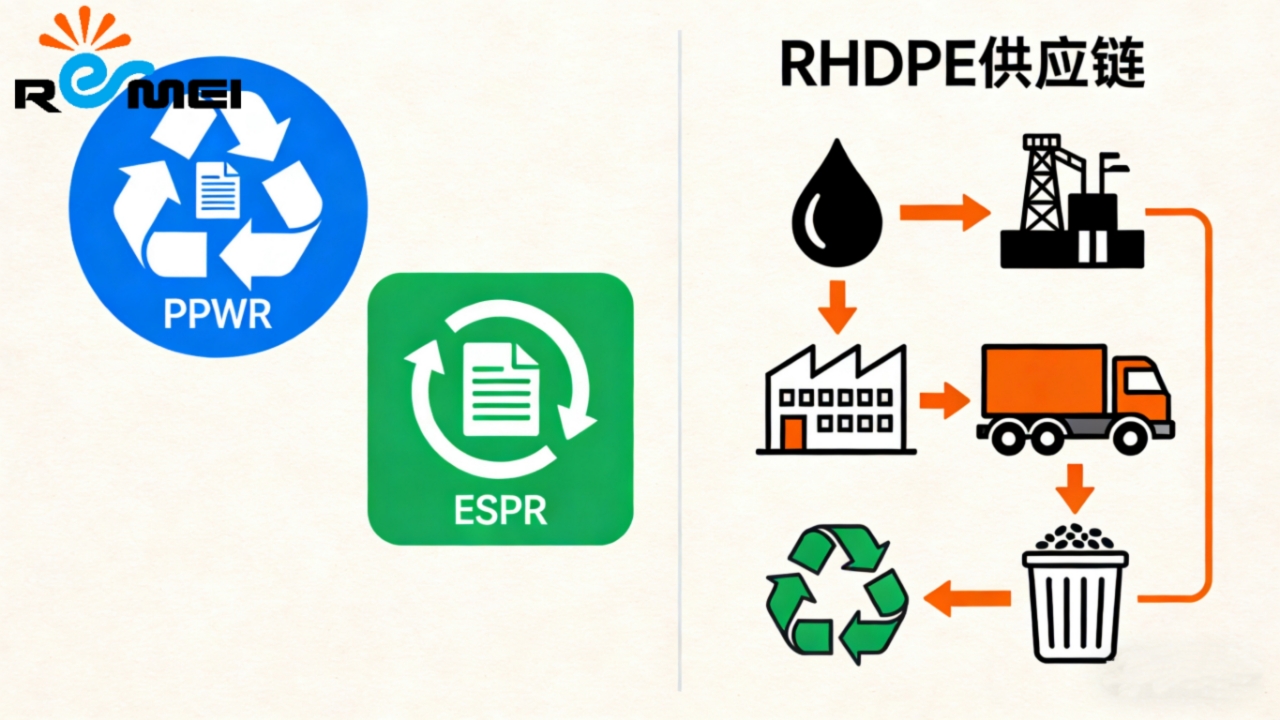
Policies such as the EU’s Ecodesign for Sustainable Products Regulation (ESPR) and the Packaging and Packaging Waste Regulation (PPWR) mandate the use of recycled plastics in products and promote “Digital Product Passports” for full lifecycle traceability.
REMEI Polymer’s strategies include:
- Forward-looking R&D aligned with regulatory goals: Early development of rHDPE solutions with high fluidity, purity, and versatile color options to meet evolving performance requirements in packaging, automotive, construction, and other industries;
- Building stable supply capacity:Mitigating potential structural shortages of recycled materials through long-term agreements and regionalized production planning;
- Providing regulatory interpretation and compliance support: Assisting customers in understanding policy timelines, recycled content requirements, and reporting processes, serving as their trusted partner in green transition.

3. Value Chain Empowerment: Achieving a Sustainable Balance Between Cost and Quality
The recycled materials market often faces challenges such as price volatility and inconsistent quality. REMEI Polymer addresses these through technological innovation and supply chain integration, ensuring controllable costs, reliable quality, and stable supply:
- Process innovation for cost efficiency and performance enhancement: Improving yield and consistency through core technologies such as sorting, purification, and modification, thereby alleviating cost pressures;
- Tiered product portfolio: Offering both standardized and customized solutions for different applications, helping customers optimize material selection and cost structures;
- Long-term agreements and transparent pricing mechanisms: Establishing collaborative and transparent pricing models with upstream and downstream partners to mitigate short-term market fluctuations and enhance supply chain predictability.

4. Co-creation and Shared Success: Building a Collaborative Closed-Loop Ecosystem
At REMEI Polymer, we firmly believe that the true realization of a circular economy relies on deep collaboration across the industry chain. We go beyond supplying materials by committing to:
- Co-designing with brands: Participating in customers’ early-stage product development to embed circular material principles;
- Collaborating with recyclers on innovation: Promoting the industrialization of advanced recycling technologies to improve the quality of recycled feedstock;
- Providing circular economy solutions: Offering partners end-to-end services, from certification support and regulatory navigation to green marketing strategies.
Conclusion
The EU’s Circular Economy Action Plan marks the beginning of a new era—where sustainability is no longer just an option but a fundamental rule for survival and competition. With our deep expertise in rHDPE, REMEI Polymer is committed to being a trusted circular economy partner for businesses worldwide. Together, we can do more than just adapt to regulations—we can actively shape a future of resource-efficient, value-sharing, and sustainably growing supply chains.

Leave a reply