
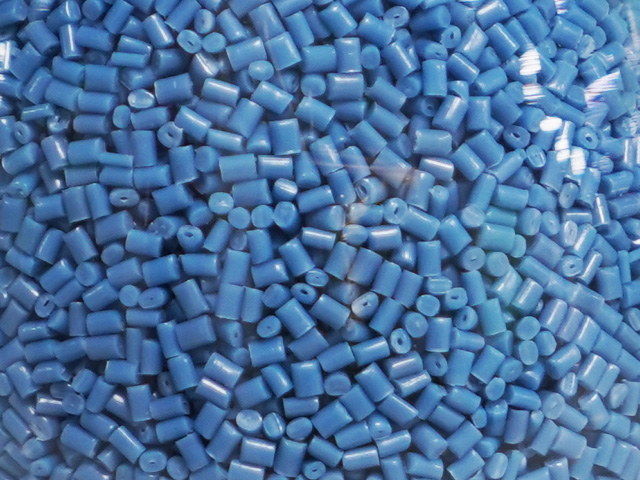
The Impact of EU PPWR on the Personal Care Industry: Beyond the Bottle, to Full-Chain Compliance Documentation and Quality Assurance
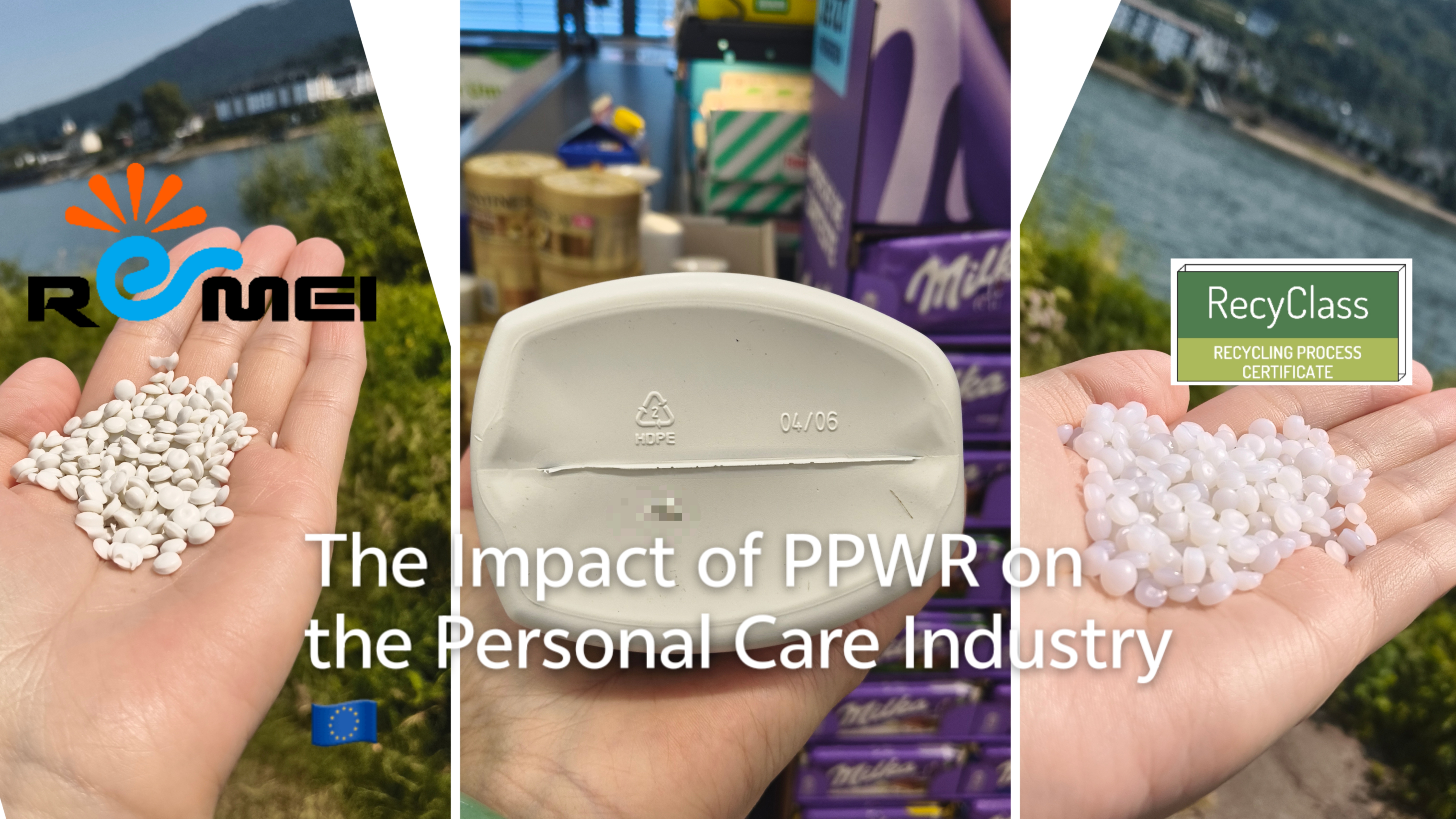
New blog alert!
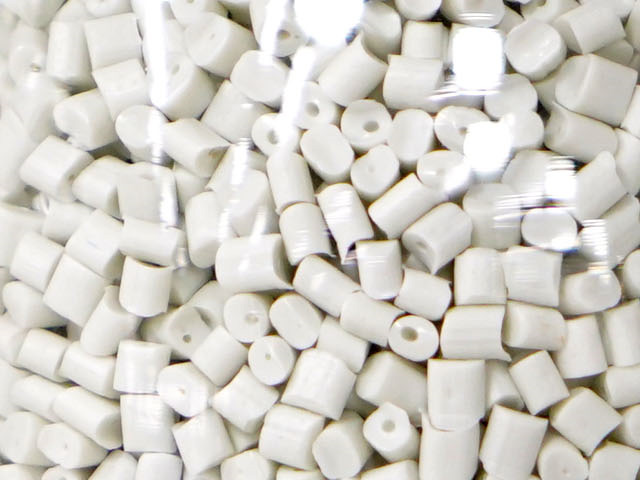
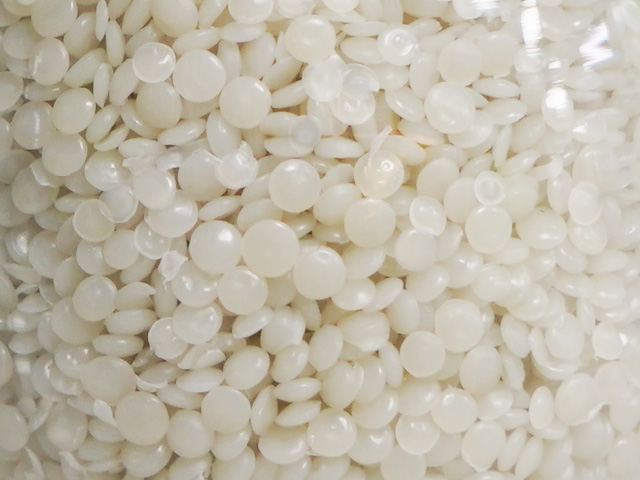
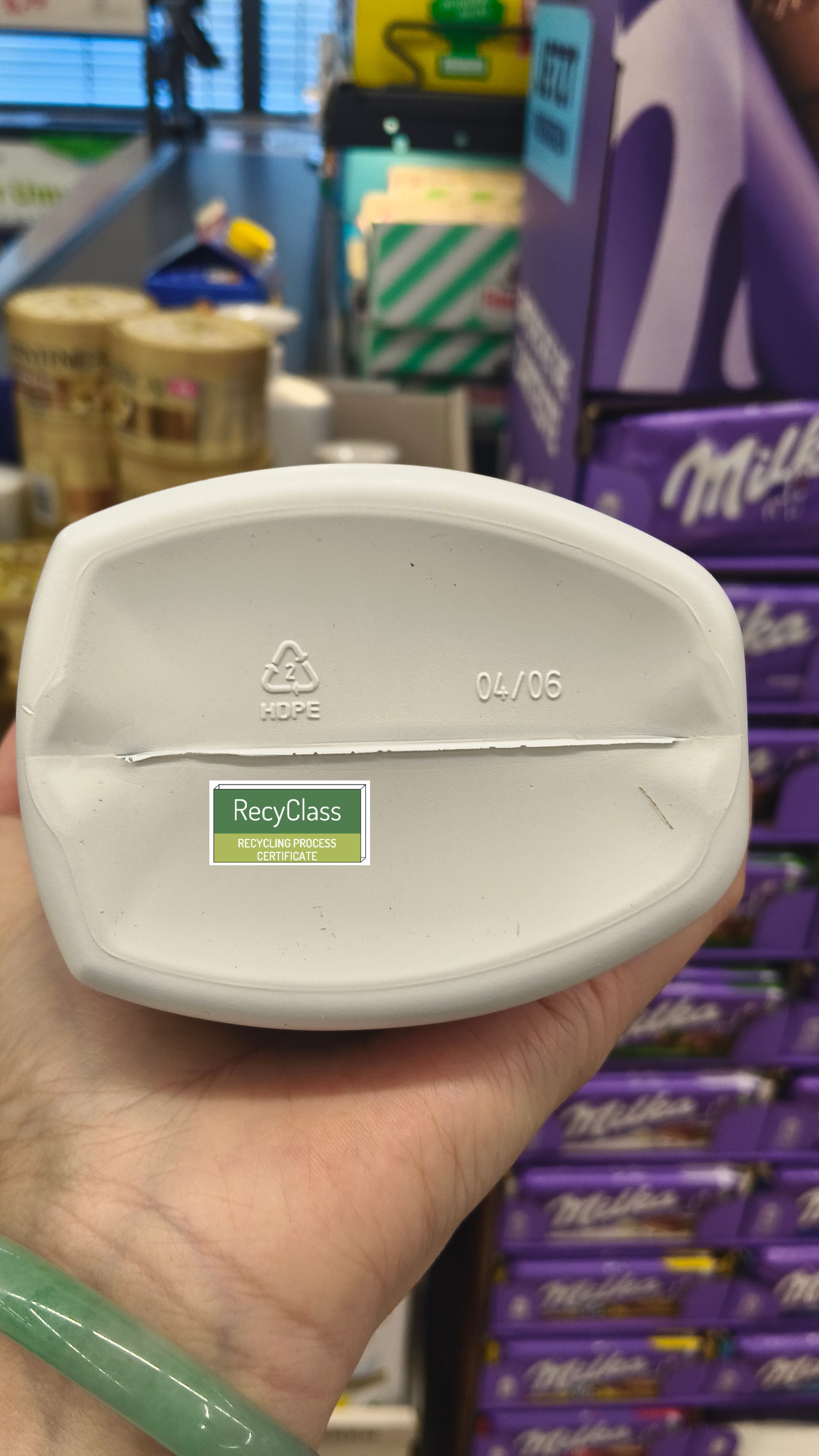
As a leading Chinese supplier of high-value recycled HDPE and rPP, HEBEI REMEI POLYMER has been tracking the EU Packaging and Packaging Waste Regulation (PPWR) closely since its adoption. During a recent store visit across Europe, I documented something that caught my attention: our transparent and natural PCR HDPE is already visible on shelves in personal care aisles. But the real takeaway for the industry is this — PPWR is not just about whether a bottle contains recycled material.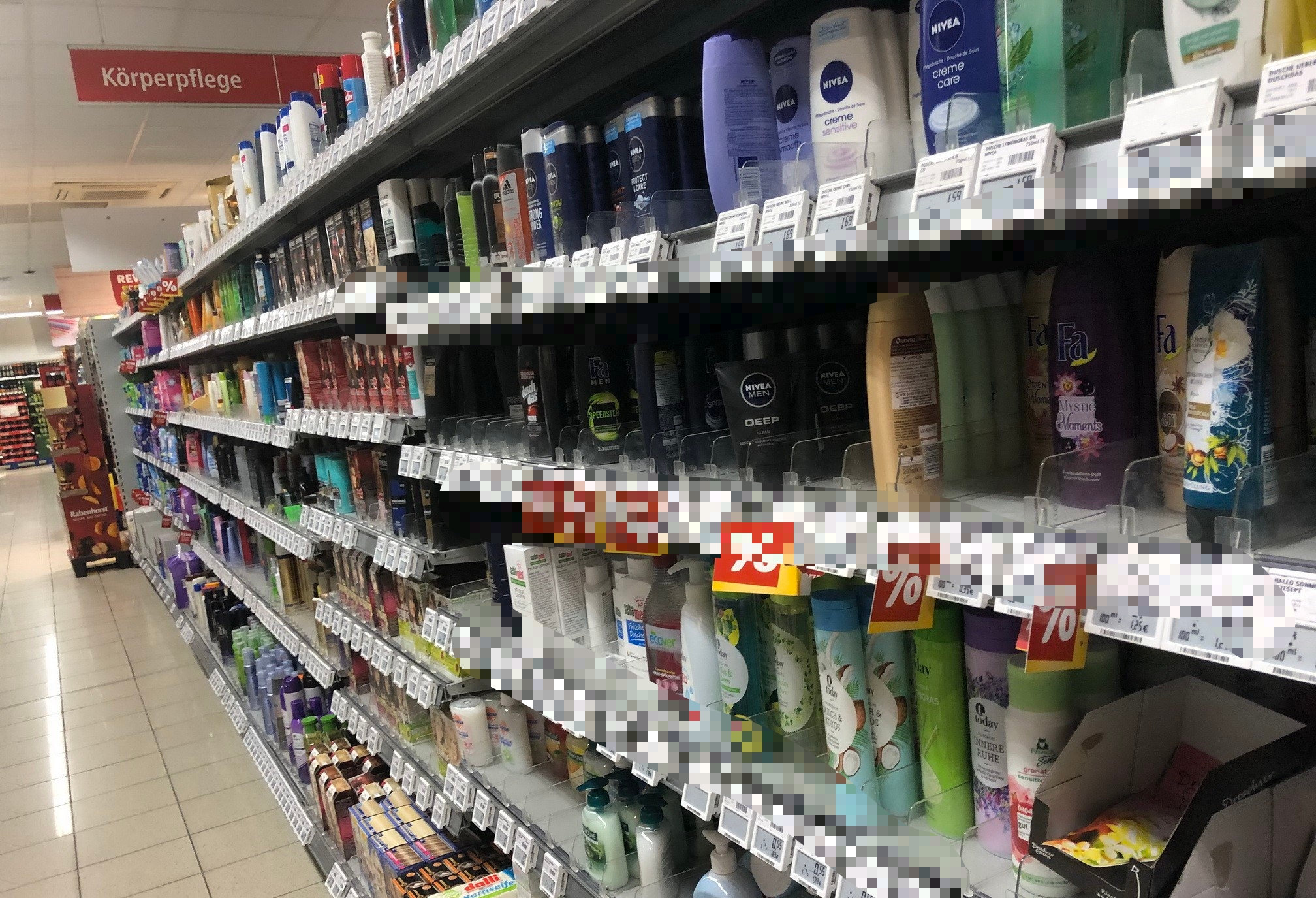
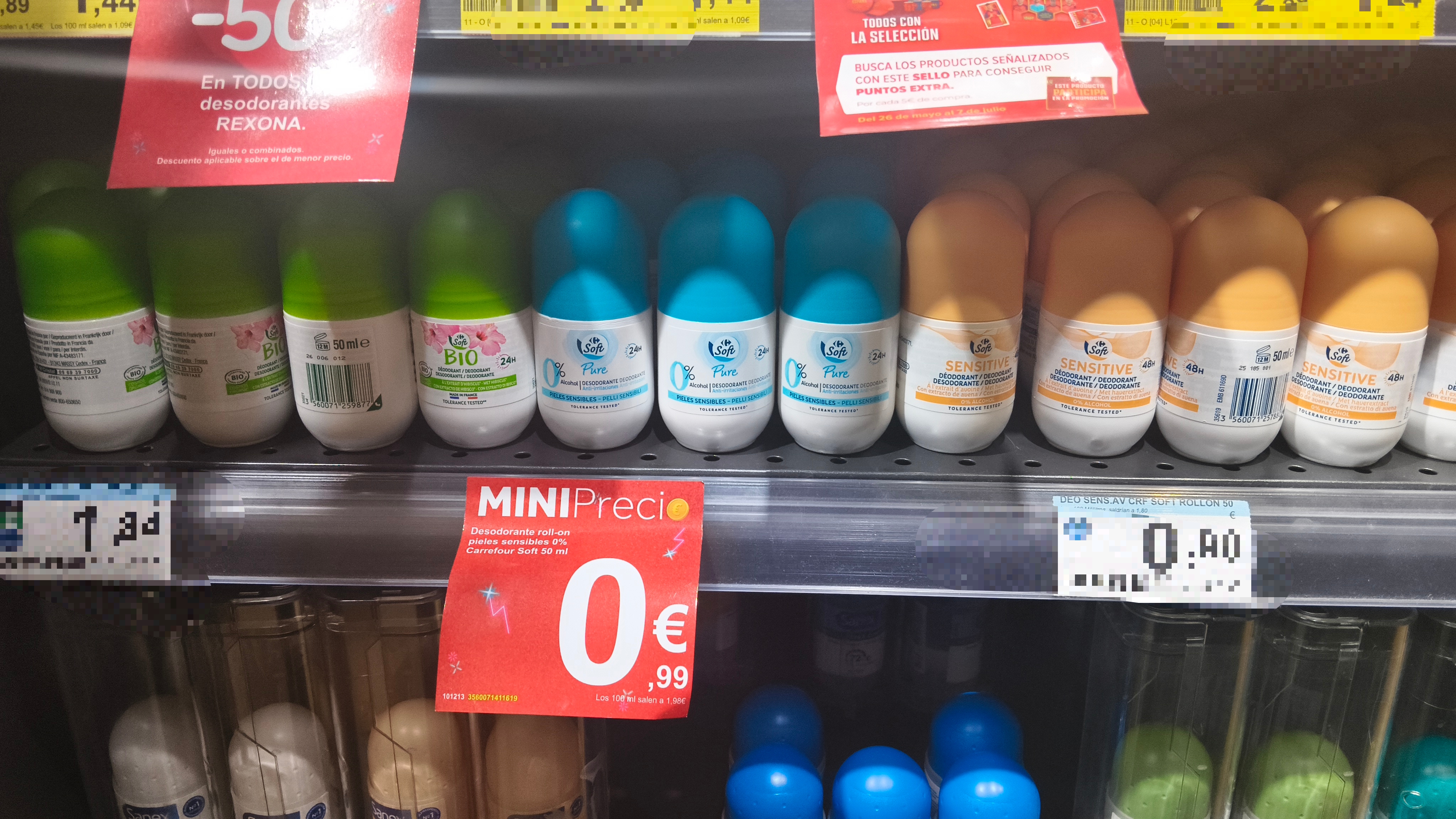
PPWR: A Fundamental Shift in Packaging Compliance
On 22 January 2025, the EU formally adopted Regulation (EU) 2025/40, replacing the long-standing Directive 94/62/EC. The transition from a directive to a regulation is significant: it removes national transposition discretion and creates uniform, directly applicable rules across all Member States.
From 12 August 2026, any packaging placed on the EU market must be supported by a valid Declaration of Conformity (DoC) and full technical documentation.
For personal care brands, this raises the bar considerably. Compliance is no longer a matter of material substitution — it is about generating and maintaining auditable, component-level data across the entire supply chain.
Consider a typical shampoo bottle: the container itself (HDPE or PET), a pump dispenser with a metal spring, a dip tube, an elastomer seal, a decorated closure, an adhesive label, a folding carton, and possibly e-commerce outer packaging. Each of these components must be accounted for in the DoC and technical file.
The Real Compliance Challenge: Documentation and Quality, Not Just Materials
Personal care packaging falls under the "contact-sensitive" category, which means any use of recycled content is subject to stricter safety and quality requirements. Under PPWR Article 7, by 2030, contact-sensitive non-PET plastic packaging — including rHDPE and rPP — must contain at least 10% recycled content, increasing to 25% by 2040.
While the percentage targets are clear, the practical challenges for brand owners are more nuanced:
- Who holds the data? The responsibility cascade under PPWR requires packaging producers to provide brands with all necessary information to demonstrate compliance. The completeness of supplier declarations is therefore the foundation of any valid DoC.
- Is the data audit-ready? Annex VII technical documentation must include component-level material composition, design drawings, recycled content calculations, and test results for Substances of Concern. Missing any of these elements exposes the brand to potential market access restrictions.
- Does the quality hold up? For recycled plastics like rHDPE and rPP, batch-to-batch consistency, contaminant control, and migration safety are critical concerns — particularly for products applied to skin or hair. This is where a reliable upstream partner makes the difference.
REMEI's Role: Moving Beyond a Supplier Relationship
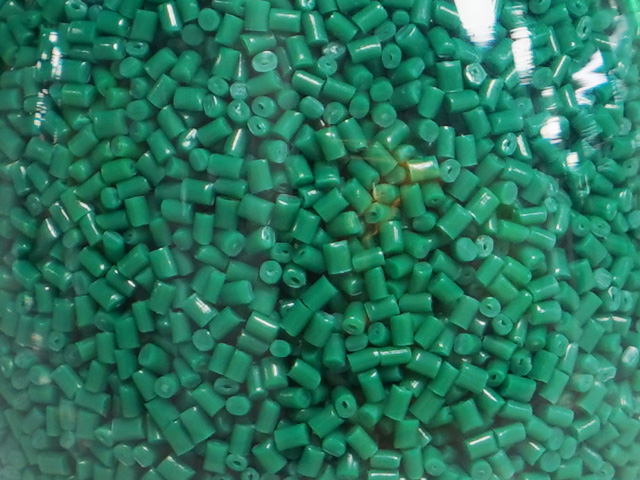
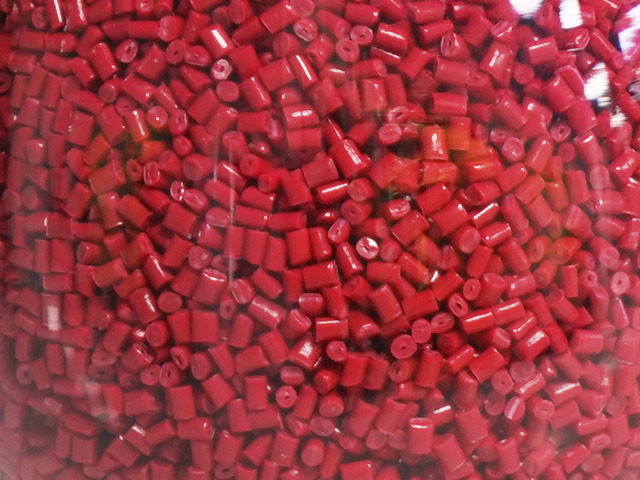
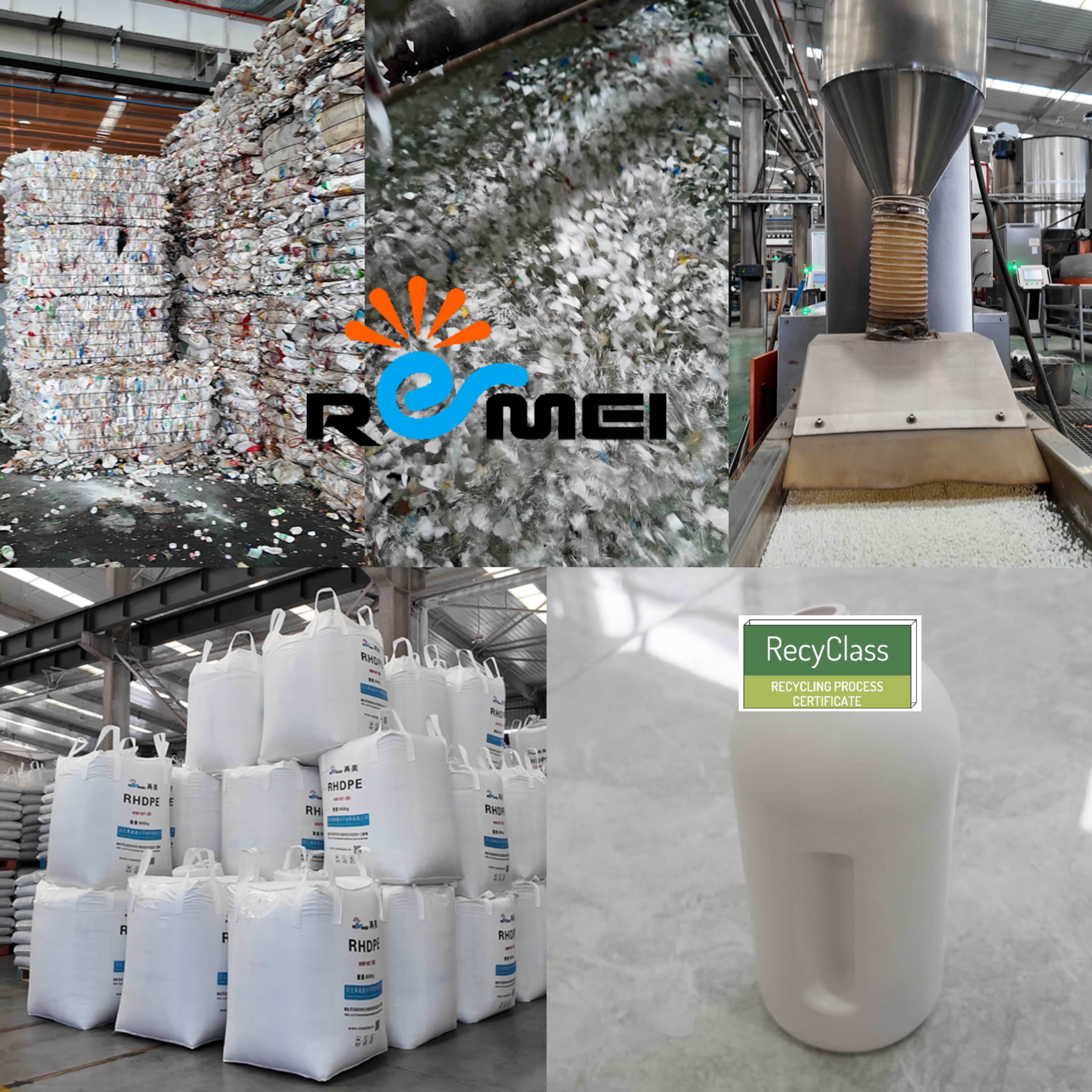
During my European visit, one thing became increasingly clear: brands are not just looking for a source of recycled pellets. They need a technical evidence chain that can stand up to scrutiny. Since returning to China, I have been leading our internal team to strengthen our compliance documentation framework — a necessary step as we transition from a traditional material supplier to a compliance-enabling partner.
From the photos I took on that trip, it is evident that rHDPE adoption is accelerating among major personal care brands. But adoption alone is not enough. The question is whether the entire supply chain — from reclaimers to converters to brand owners — can produce the documentation required under PPWR.
At REMEI, we address this need across three dimensions:
1. Evidence readiness. We provide detailed material composition data, source-of-recovery documentation, and batch-specific test reports — the raw data brands need to populate their Annex VII technical files.
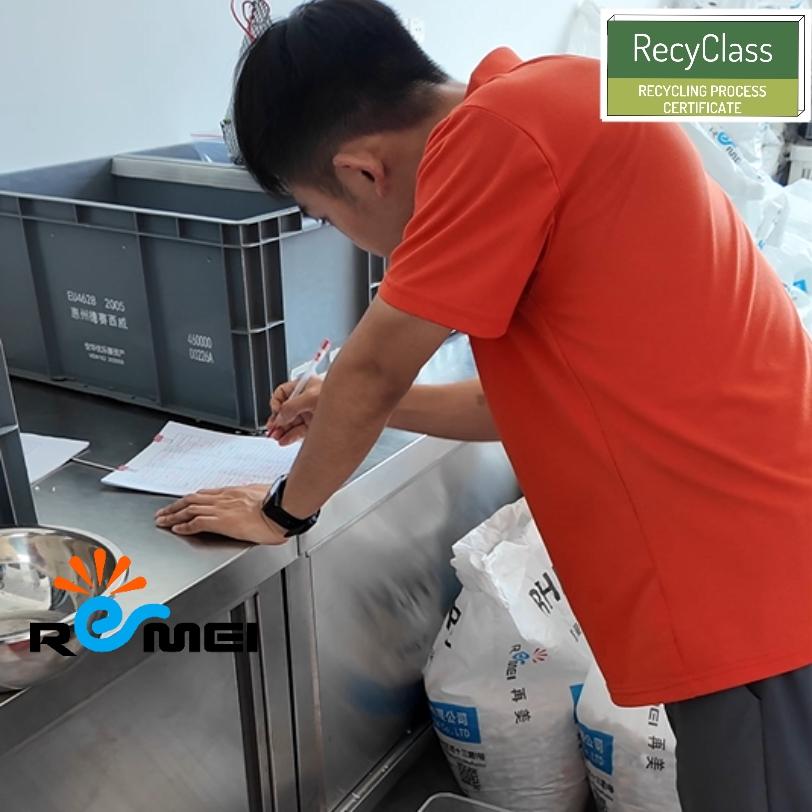
2. Quality consistency. For contact-sensitive applications, we maintain strict control over purity, decontamination, and processing parameters. Our materials comply with EU limits on Substances of Concern (including lead, cadmium, mercury, and hexavalent chromium at a combined total of ≤ 100 mg/kg).
3. Long-term support. Under PPWR, technical documentation must be retained for 5 years (single-use packaging) or 10 years (reusable packaging). This is not a one-time exercise. REMEI is committed to providing ongoing quality traceability and technical support to our customers throughout that period.
What Brands Should Do Now
With the 12 August 2026 deadline now less than 30 days away, the window for preparation is tight. I recommend personal care brands take the following steps without delay:
1. Audit your packaging suppliers — particularly your recycled material suppliers. Request detailed material composition data, test reports, and certified recycled content declarations.
2. Build component-level technical files — break down every SKU to the smallest component (bottle, pump, label, tube, etc.) and establish a Bill of Materials (BOM)-based documentation system.
3. Understand the "mirror clause" implications — if your recycled material originates from outside the EU, be prepared to provide third-party audited evidence that the overseas supplier's environmental and waste sorting standards are equivalent to EU requirements.
4. Select your partners carefully — a supplier that can deliver not only stable material quality but also complete, audit-ready documentation and ongoing after-sales support is your strongest safeguard against compliance risk.
HEBEI REMEI POLYMER supports cosmetic and personal care brands with:
High-quality rHDPE and rPP with full traceability
Component-level material data and test reports for PPWR Annex VII technical files
Ongoing quality assurance and compliance evidence support
For any questions about PPWR readiness, recycled-content compliance, or sourcing audit-ready rHDPE/rPP, please feel free to contact me directly or send a DM on LinkedIn.

Leave a reply