
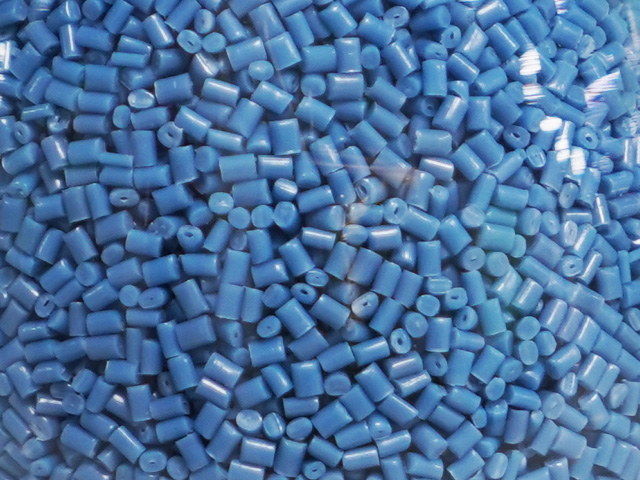
PPWR, Mass Balance, and the Real Meaning of “Bottle-to-Bottle” Recycling
2026 is the year recycled content rules move from targets to verification.
For European packaging producers, three regulatory developments are converging:
PPWR takes full effect in 2030, with mandatory PCR content thresholds for plastic packaging.
SUPD already requires recycled content in single-use plastic beverage bottles.
Implementing Decision (EU) 2026/1425, published in July 2026, sets unified rules for calculating, verifying, and reporting recycled plastic content — including mass balance accounting.
The direction is clear. Recycled material must now be traceable, calculable, and verifiable.
That changes what buyers should look for in a supplier.
What “Bottle-to-Bottle” Actually Requires
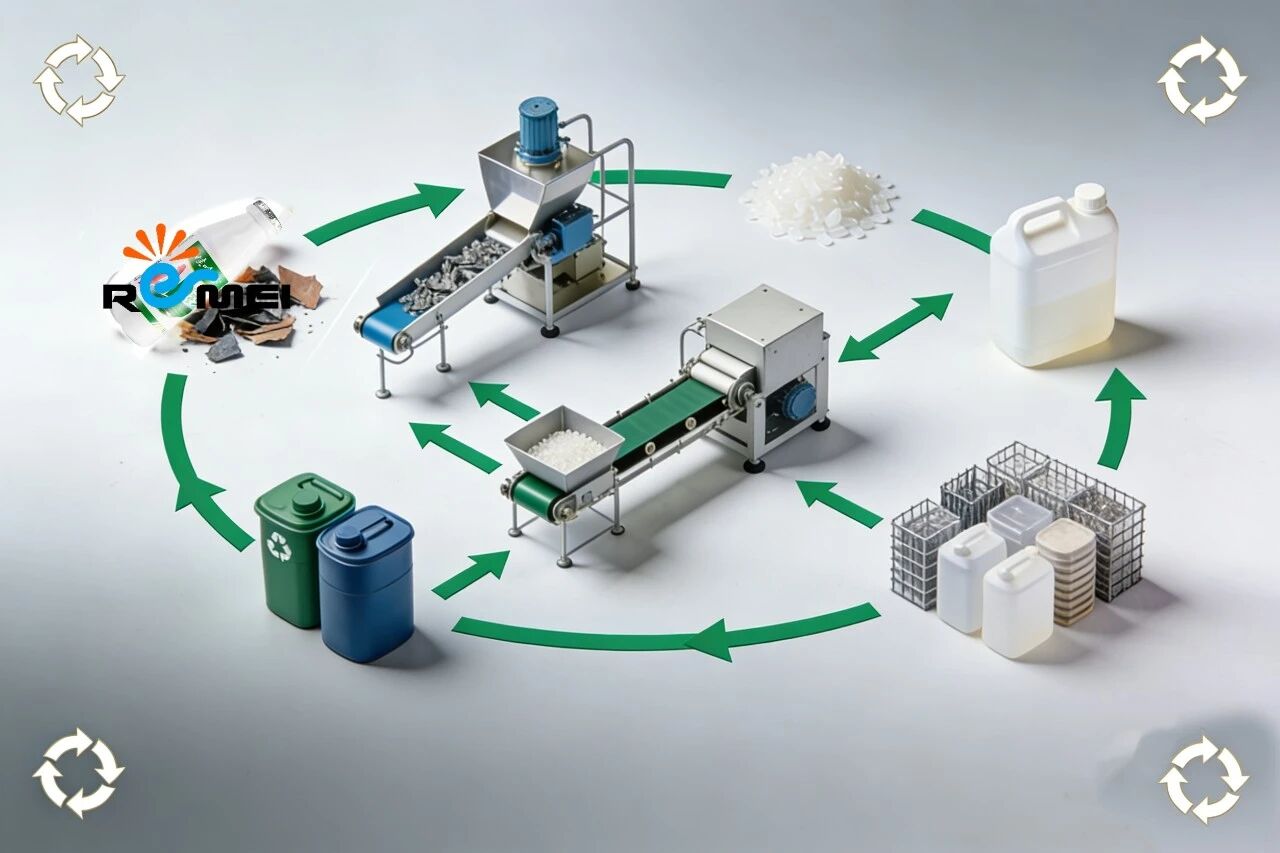
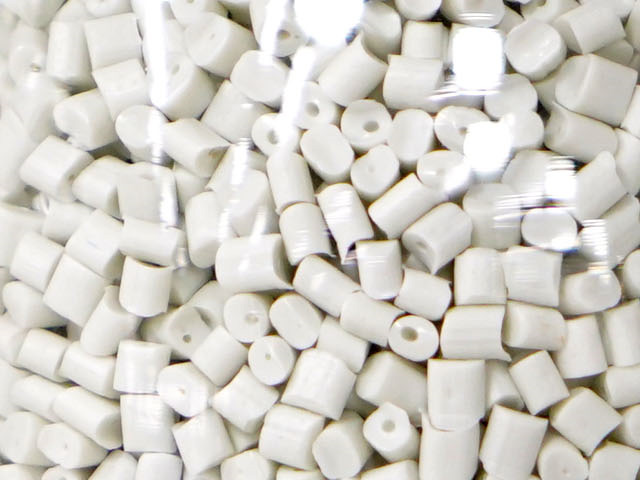
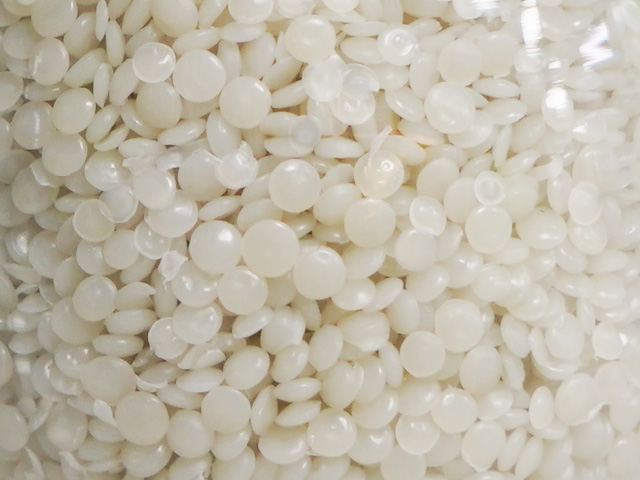
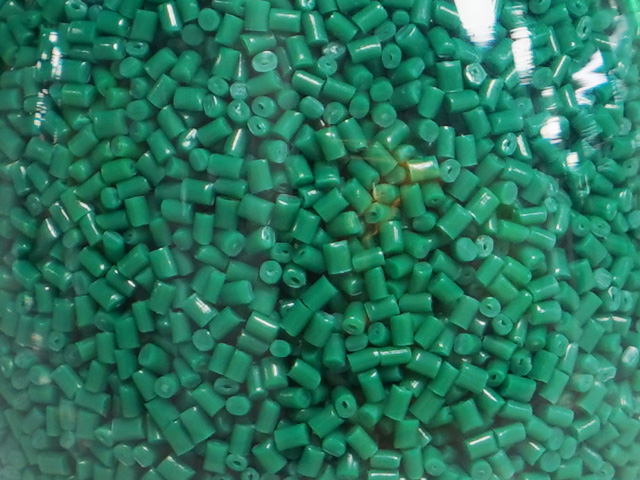
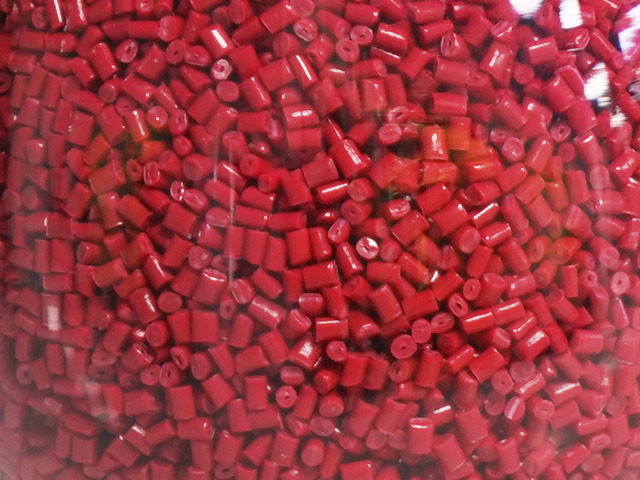
“Bottle-to-bottle” is often used as a marketing phrase. In practice, it means a closed loop where post-consumer bottles are collected, sorted, cleaned, and reprocessed into pellets that can go back into new bottles.
For this to work under PPWR and mass balance rules, three things must be in place:
- Certified input
Material must come from post-consumer waste, processed in compliant facilities. Documentation must prove it.
- Consistent output
MFI, ash content, and impact strength must stay within tight ranges — batch after batch — so converters don’t have to recalibrate their lines.
- Traceable chain of custody
From waste sourcing to finished pellets, every step needs records that can support a Declaration of Conformity and, where required, a Transaction Certificate (TC).
Without these, “bottle-to-bottle” remains a claim. With them, it becomes a compliance asset.
Where Remei Polymer Fits
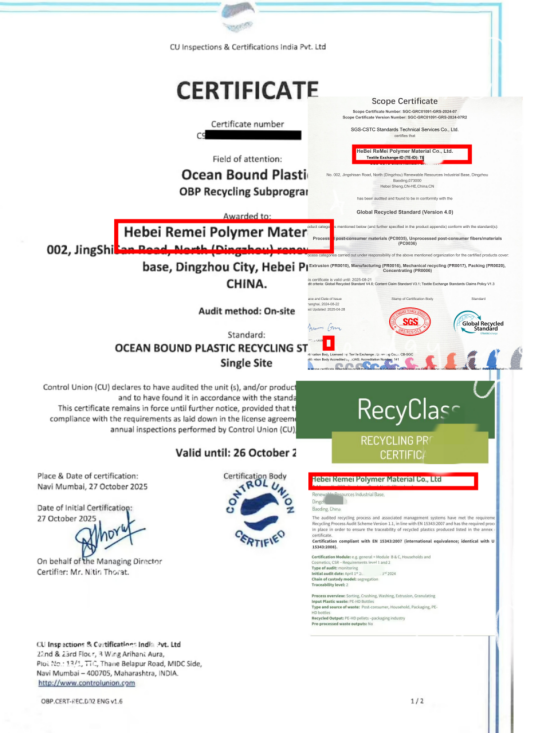
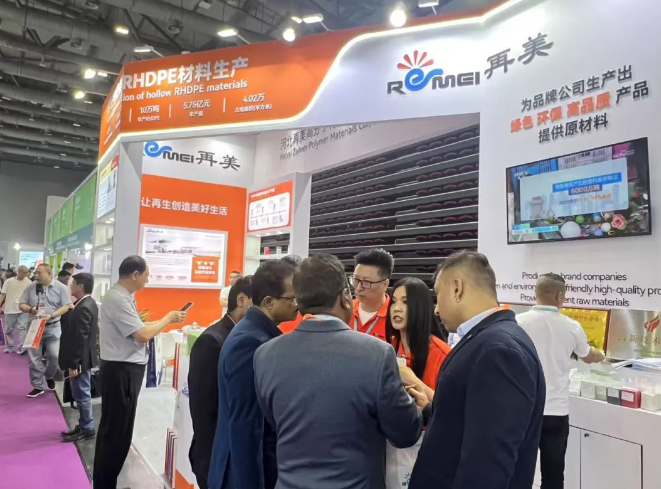
Remei Polymer produces rHDPE and PCR PP for blow molding, film, and rigid packaging applications. We focus on small-to-medium container recycling — milk bottles, shampoo bottles, detergent jugs — and on delivering material that meets European compliance expectations.
What we bring to European partners:
Certifications
RecyClass certified — China’s first RecyClass certificate for PCR HDPE (2025)
GRS (Global Recycled Standard) certified
TC certificates available for every shipment
Documentation support
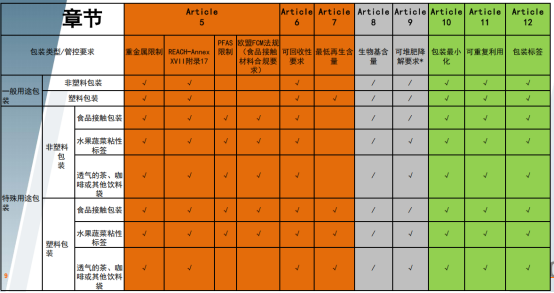
Batch-level test reports (MFI, ash, impact, density)
Packaging declarations aligned with PPWR requirements
Support for your Declaration of Conformity, including Annex VIII template
Supply capacity
100,000 tons/year PCR HDPE and PCR PP capacity
15 automated production lines
40,200 m² smart factory in Dingzhou, Hebei
Full traceability from waste sourcing to finished pellets
Direct factory communication
No layers of trading companies. When your purchase or supply chain team has a compliance question, you talk directly to the people who make the material.
A Note on China’s Policy Direction
China’s Ecological Environment Code, which took effect in August 2026, also recognizes recycled materials as a resource and encourages certification systems. This is a supportive backdrop — but for European buyers, the relevant standard is not Chinese policy. It is whether the supplier can meet EU compliance requirements.
That is where we focus.
The Practical Question
If you are a purchase manager or supply chain lead preparing for PPWR, the question is not whether recycled content will be required. It is whether your supplier can provide the material, the documentation, and the traceability to keep your packaging on the market.
We are ready to walk through that with you.
📩 DM me or comment “PPWR” — I’ll share our documentation package and material specs.

Leave a reply